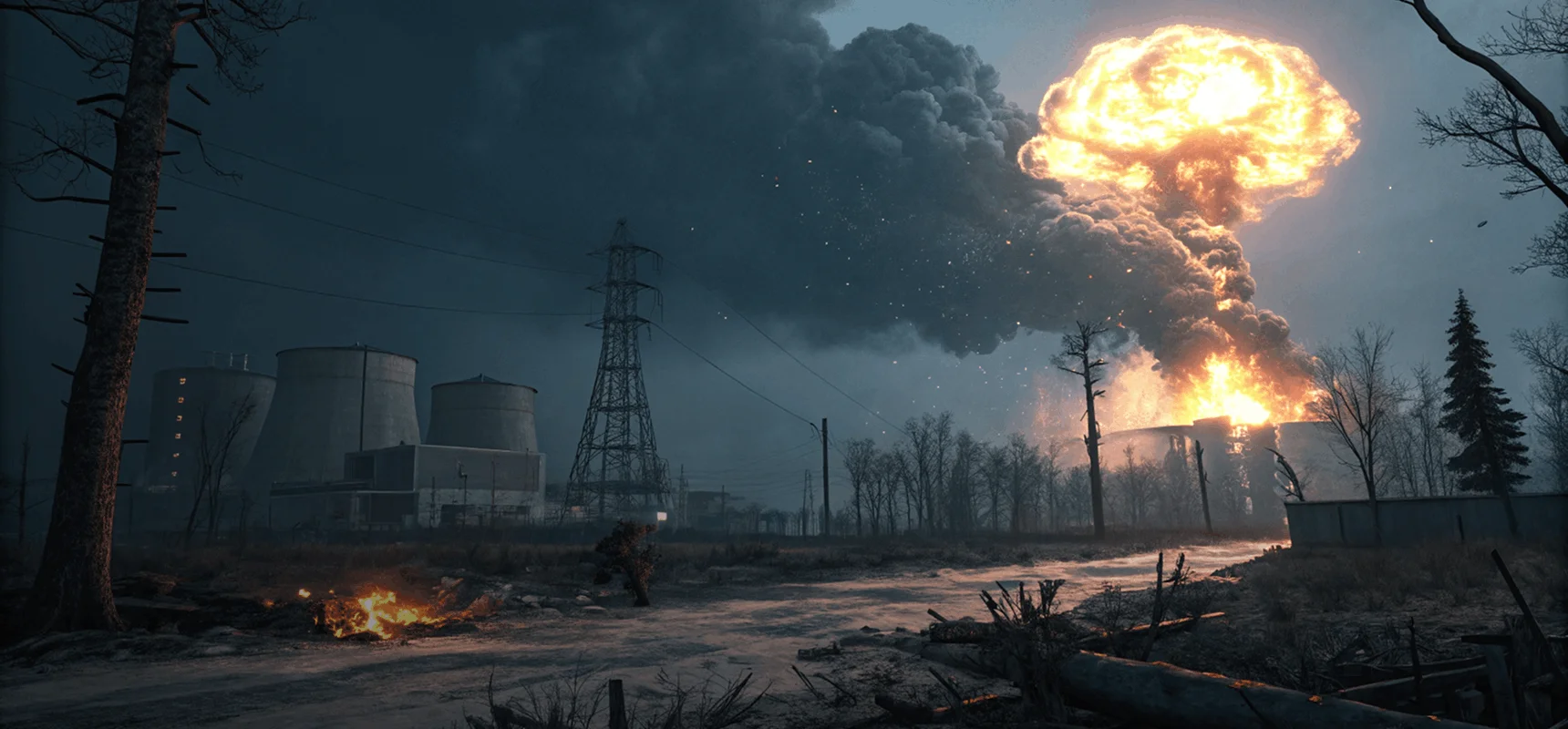
Surviving in Chernobyl
- История, Наука
- 3 episodes
- 2019
On April 26, 1986, the worst man-made disaster in human history occurred — the reactor of Chernobyl Nuclear Power Plant’s Unit 4 exploded. People died. Thirty-four years have passed since then. Living is still prohibited in the areas surrounding the plant. But people are here. And animal and plant life is thriving.
Hosts

Episodes
Film 3. EARTH Dubbing on request Subtitles available (Russian)
Surviving in Chernobyl • 2019 • 26 minutes
<html>On April 26, 1986, the most devastating man-made disaster in human history occurred — the explosion of Reactor Four at the Chernobyl Nuclear Power Plant. People lost their lives. Many fell ill with radiation sickness. Hundreds of thousands of hectares became uninhabitable. Thirty-four years have passed since then. Living in the territories surrounding the Chernobyl plant is still prohibited. However, people are present in the area, and animal and plant life are thriving. The three-part documentary project To Survive in Chernobyl presents the situation in the Chernobyl Exclusion Zone without legends or embellishments — without scare stories or undue optimism. Our film crew also had to survive under extreme radiation conditions. Film Three:<i> Earth.</i> Where can you find “Chernobyl mutants”? What was the most radioactive animal ever taken from the Exclusion Zone? Why do endangered species flock to Chernobyl and how do they fare there? Who harvests crops on this poisoned land? And how did the Chernobyl assignment affect the health of members of our film crew? Honest answers from first-hand sources — in the documentary project <i>To Survive in Chernobyl.</i></html>
Film 2. WATER Dubbing on request Subtitles available (Russian)
Surviving in Chernobyl • 2019 • 26 minutes
<html>On April 26, 1986, the most devastating man-made disaster in human history occurred — the explosion of Reactor Four at the Chernobyl Nuclear Power Plant. People lost their lives. Many fell ill with radiation sickness. Hundreds of thousands of hectares became uninhabitable. Thirty-four years have passed since then. Living in the territories surrounding the Chernobyl plant is still prohibited. However, people are present in the area, and animal and plant life are thriving. The three-part documentary project To Survive in Chernobyl presents the situation in the Chernobyl Exclusion Zone without legends or embellishments — without scare stories or undue optimism. Our film crew also had to survive under extreme radiation conditions. Film Two: <i>Water</i>. Who goes fishing in the radioactive waters of the Pripyat River? How did those caught in the rain here during the May Day parade, five days after the accident, fare? Which waterbody in the Exclusion Zone is more dangerous than the cooling pond of Unit Four? Why does a dosimeter spike under the eaves of abandoned houses? What creatures live in the swamps and dried channels of the Exclusion Zone, and how does radiation affect them? Honest answers from first-hand sources — in the documentary project <i>To Survive in Chernobyl.</i></html>
Film 1. AIR Dubbing on request Subtitles available (Russian)
Surviving in Chernobyl • 2019 • 26 minutes
<html>On April 26, 1986, the most devastating man-made disaster in human history occurred — the explosion of Reactor Four at the Chernobyl Nuclear Power Plant. People lost their lives. Many fell ill with radiation sickness. Hundreds of thousands of hectares became uninhabitable. Thirty-four years have passed since then. Living in the territories surrounding the Chernobyl plant is still prohibited. However, people are present in the area, and animal and plant life are thriving. The three-part documentary project <i>To Survive in Chernobyl</i> presents the situation in the Chernobyl Exclusion Zone without legends or embellishments — without scare stories or undue optimism. Our film crew also had to survive under extreme radiation conditions. Film One:<i> Air </i>Does the remains of Reactor Four continue to emit radioactive waste? How has the species composition of birds in the Zone changed over 30 years, and has radiation influenced it? What allows specialists at the monitoring station closest to the reactor to survive? Where can you hide from radioactive smoke during wildfires or radioactive dust storms? What would happen to a person who tries honey collected by Chernobyl bees? Honest answers from first-hand sources — this is what you'll find in the documentary<i> To Survive in Chernobyl.</i></html>