Bionics
- Наука, Техно
- 29 episodes
- 2013-2026
Most human inventions have long been patented by nature, says the science of bionics. What have scientists borrowed from nature and what else must we learn? Biologist Mikhail Maslov talks about living prototypes.
Episodes
Глаз да глаз!no EN translation Dubbing on request
Bionics • 2026 •
В этом фильме цикла «Бионика» мы узнаем, как особенности зрения древних членистоногих, земноводных и насекомых легли в основу радиолокационных систем, алгоритмов обработки изображений, сверхчувствительных датчиков, эндоскопов и автономных роботов. И увидим бионический глаз будущего, который способен не только смотреть на 180 градусов, но и буквально распознавать запахи.
Идеи свышеno EN translation Dubbing on request
Bionics • 2026 •
Главный барабанщик лесного оркестра; самый ловкий хищник среди паукообразных; и самый громкий предвестник весны. Кто это и как все они связаны с запуском объектов в стратосферу… и даже выше? Ловите спойлеры! Дятел даёт подсказки, как не получить сотрясение мозга в экстремальной ситуации. Паук-гладиатор показывает мастер-класс по расстановке сетей в космосе. И наконец птичья стая – ни много ни мало – помогает вывести спутники на орбиту. Об этом и многом другом расскажем в фильме из цикла «Бионика».

Построено природойno EN translation Dubbing on request
Bionics • 2026 •
Цветок лилии, роза пустыни, шишка и подсолнечник – шедевры природы дают новые подсказки инженерам для создания домов будущего. Как хрупкое растение с нежными цветами и длинным упругим стеблем стало прообразом Останкинской телебашни? Как кристалл под названием «Роза пустыни» сформировался посреди современного Катара и вырос до размеров Национального музея? И наконец, как подсолнечник помогает уберечься от палящего солнца в знойном Абу-Даби, а купол, похожий на шишку, учит дыхательной гимнастике в немецком Хайльбронне?
Ткани будущегоno EN translation Dubbing on request
Bionics • 2026 • 26 minutes
Саламандры, гекконы, собаки… и зелёный листочек на дереве: какие подсказки они дали учёным для создания тканей будущего? Выясним, почему некоторые животные отбрасывают собственные конечности и разберёмся, за счёт чего они отращивают их заново. Отправимся в гости к гекконам – ящерицам, которые умеют ходить по потолку. А после подглядим, как создают ткань-липучку по образу и подобию лапок рептилий. Рассмотрим, как устроены листья деревьев и шерсть собаки. И узнаем, как это помогло инженерам разработать одежду с климат-контролем. Всё это и многое другое — в очередном фильме из цикла «Бионика».
Иди, летай, хватай!no EN translation Dubbing on request
Bionics • 2026 • 26 minutes
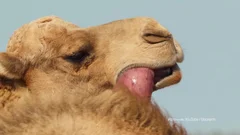
Копыта верблюда, ноги жирафа и хобот слона: в поисках очередных подсказок природы отправляемся на сафари. Выясним, как двупалые конечности верблюда вдохновили инженеров на создание колёс для лунохода. И почему эти колёса не зарываются в песок? Что может быть общего у жирафа, компрессионных чулок и костюма астронавта? Как животное-гипертоник учит нас бороться с отеками? И наконец, подсказки от слона по созданию механизма бионических манипуляторов. Всё это и многое другое – в фильме из цикла «Бионика».
Ночной дозорno EN translation Dubbing on request
Bionics • 2025 • 25 minutes
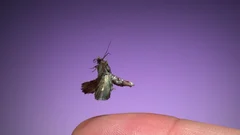
Правда ли, что в голову гремучей змеи встроен аналог прибора стоимостью в несколько миллионов? Как кошачий глаз помог дорожным строителям спасти миллионы человеческих жизней? И каким образом бабочка морфо работает на Пентагон? Об этом и многом другом расскажем в выпуске проекта «Бионика»

Космические животныеno EN translation Dubbing on request
Bionics • 2025 • 25 minutes
Очередной выпуск «Бионики» — о космических технологиях, которым уже миллионы лет. Как глаз лобстера помог астрофизикам увидеть редчайшие события на небе? Почему ракетам нужно покрытие, как у сахарских серебряных муравьёв, а луноходам не обойтись без усов тюленя?
Двигатели и движитилиno EN translation Dubbing on request
Bionics • 2025 • 26 minutes
Правда ли, что метро построили благодаря моллюску-вредителю? Как с помощью изучения китов удалось ускорить работу ветрогенераторов? И чему ещё нас научили обитатели морских глубин? Об этом и многом другом расскажем в выпуске проекта «Бионика»
Чудеса ультразвукаno EN translation Dubbing on request
Bionics • 2025 • 25 minutes
Ультразвук. Его значение в современном мире невозможно недооценить. С помощью УЗИ врачи исследуют внутренние органы человека. Смотрят за развитием плода в утробе матери и даже проводят хирургические операции. Широко применяется ультразвук и на производстве, в робототехнике, «умном доме» и системах безопасности. И это далеко не все возможности, которые стали доступны человеку благодаря ультразвуку. Мы гордимся своими технологиями, но на самом деле природа их изобрела еще миллионы лет назад! И они намного совершеннее, чем те, что создал человек. Смотрите очередную серию документального проекта «Бионика. Чудеса ультразвука».
Шелковые технологииno EN translation Dubbing on request
Bionics • 2025 • 26 minutes
Полвека назад на основе паучьего шёлка был придуман кевлар – суперпрочный материал, который может остановить пулю. Сегодня учёные продвинулись ещё дальше: теперь разработки, вдохновлённые паутиной, помогают доставлять лекарственные препараты напрямую в больные клетки и сращивать кости. Можно ли сплести непромокаемый дождевик? Кто такие эмбии, и почему их так пристально изучают учёные? Какие ещё перспективы ждут исследователей паучьего шёлка?

Скорость от природыno EN translation Dubbing on request
Bionics • 2025 • 26 minutes
Зимородок, орёл и муравей. Как они научили нас быстрее передвигаться – и в небе, и на земле. Что общего у пташки-рыболова, которая умеет пикировать в воду почти без брызг, и поезда-пули, рассекающего пространство с бешеной скоростью? Каким образом пернатый хищник помогает авиакомпаниям экономить реальные миллиарды… и время. И наконец, как можно победить городские пробки, исследуя муравьиные тропы. И вообще причём здесь эти мелкие букашки? Об этом и многом другом расскажем в фильме из цикла «Бионика».

Живая архитектураno EN translation Dubbing on request
Bionics • 2025 • 25 minutes
Бедренная кость человека, термитник и осиное гнездо – как всё это вдохновило инженеров на разработку самых передовых технологий строительства? Правда ли, что усатые и полосатые насекомые освоили 3d-печать задолго до её появления в научных лабораториях? Каким образом коренные жители тропиков, африканские термиты, научили нас проектировать систему климат-контроля? И не простую, а энергосберегающую. И наконец, как, благодаря пристальному изучению человеческой анатомии, поставили на ноги знаменитую Эйфелеву башню? Об этом и многом другом расскажем в фильме из цикла «Бионика».
Материалы - невидимкиno EN translation Dubbing on request
Bionics • 2025 • 26 minutes
Тысячи лет человек придумывал, как слиться с природой, чтобы стать незаметным для врага. В 19-м веке появился настоящий военный камуфляж. А в 21-м возможности военной маскировки вывела на новый уровень наука бионика. Учёные научились создавать невидимые материалы, опираясь на удивительные природные механизмы. Как стало возможно слиться с фоном подобно хамелеону? Почему белого медведя не видят тепловизоры? Может ли цикадка помочь создать плащ-невидимку? Узнаете из выпуска «Бионика. Материалы-невидимки».
Damping Dubbing on request
Bionics • 2025 • 26 minutes
<html>What secret of the cheetah helps Paralympians set records? Why do massive elephants walk as quietly as mice? And how does the mantis shrimp deliver blows comparable in force to gunshots? Watch the episode of<i> Bionics</i>! You’ll discover how engineers have borrowed brilliant solutions from nature and transformed them into innovative shock absorbers.</html>
To fly like a bird and more Dubbing on request
Bionics • 2025 • 25 minutes
<html>Since time immemorial, humans have aspired to fly. That dream only became a reality in the 20th century, with bionics playing a significant role. Studying the structure of bird wings helped engineers design airplane wings. The dragonfly inspired the development of helicopters, yet modern rotorcraft still fall short of this insect’s capabilities. Scientists are also striving to unravel the squid’s jet-engine secret and to understand why dandelion seeds are a more effective parachute. Stay tuned for this episode of the documentary series <i>Bionics: To Fly Like a Bird and More</i></html>
Waterproof Materials Dubbing on request
Bionics • 2025 • 26 minutes
<html>Shark skin: how can a special suit help you achieve the speed of a living torpedo? Leaf beetle cups: is it possible,akin to a fairy tale character, to emerge from the water dry? The Lotus effect: how realistic is it to walk through a muddy puddle in white boots and stay clean? We explore these and many other questions in the <i>Bionics </i>project.</html>
Instincts Dubbing on request
Bionics • 2014 • 26 minutes
Big and small programmes launch airplanes, make automated calls, count millions and billions every second, operate on patients, and ensure security. Humans have taught soulless machines what they themselves have learned over a lifetime. But what programme does a human, or any other living being on Earth, possess? If such a programme exists, who wrote and installed it? Nature seems to be the author of a unique, unknown algorithm. Can animal bioprogrammes be used to create a universal computer programme? That’s the puzzle of the 21st century. Instinct is often used as a symbol of the most basic traits in humans. It is advised to suppress and hide instincts, and they are contrasted with morality. But does this apply only to humans? Can an animal be born and survive without instinct? Where do instincts come from, and how do they develop? Most importantly: is it possible to recreate animals’ instincts at the electronic level and use them effectively?
Nature’s Healers Dubbing on request
Bionics • 2014 • 26 minutes
“Sleeps like a marmot”. What do a small rodent and a patient on an operating table with heart disease have in common? How can we turn off pain? And what do wasps have to do with it? Seeing heat to make a diagnosis — snake vision at the service of modern medicine. It can increase strength and even teach someone to walk. What’s special about beetle armour? We often don’t think about it, but many familiar objects have natural prototypes — for example, medical instruments. The ordinary syringe, used for school vaccinations or injections for fever, largely imitates the blood-sucking apparatus of insects like mosquitoes, whose bite everyone knows...
The Invisibles Dubbing on request
Bionics • 2014 • 26 minutes
Survival is the essence of evolution. The laws of the wild are simple: either you get eaten, or you hide well and avoid death. What allows predators to sneak up unnoticed? And how do prey expertly disappear into the background? Camouflage plays a vital role in survival, cloaking both hunters and prey. This involves the unique properties of natural camouflage, bionic patterns, and smart fabrics. Camouflage serves as optical deception. Did zebra stripes really help British ships during World War I? Did simple amoebae assist Soviet intelligence in capturing languages? How do desert and forest environments help the U.S. military conduct operations in the Middle East? What is the secret of the chameleon? Have scientists discovered a way to recreate a lizard’s colour-changing ability?
Above the Sky Dubbing on request
Bionics • 2013 • 26 minutes
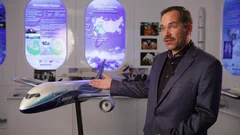
The host biologist asks: What do birds and airplanes have in common? Why do Russian mathematicians study flock formations? Where is the bird’s compass hidden? Who will solve the last riddle of flight? Since ancient times, humans have watched birds and dreamed of flying. Some scientists believe that aviation wouldn't exist without birds. Many aircraft structures are inspired by nature. [Archival black-and-white footage] In the late 19th century, German engineer Otto Lilienthal invented wings that allowed him to glide. In 1903, the American Wright brothers added an engine to wings, flew for 12 seconds, and landed — marking the beginning of aviation. While the principles of flight differ between birds and airplanes, much has been borrowed from nature when building aircraft. For example, the airplane wing was inspired by bird wings. GRAPHICS: Comparison of an airplane wing and a bird wing. (END OF GRAPHICS). Early airplane wings were too thick to achieve high speeds. Later, scientists studied the thin wings of raptors and made aircraft wings thinner to increase speed. During takeoff and landing, planes must reduce speed and extend flaps; birds do the same. Nature gave birds legs that tuck in to minimize air resistance during flight. The same principle is used in aircraft: landing gear retracts during flight and extends for landing. The airplane’s rounded nose was designed to promote smooth airflow. 09:45 — Zhukovsky. Air show. Fighters fly in formations. [Black-and-white WWII footage] Military aircraft formations were modelled after crane flocks. Flying in formation not only helps hide from enemies but also conserves energy. Birds align in a V behind the leader to reduce air resistance from wingbeats, allowing them to flap less and save energy. Some scientists predict that by 2050, not only fighters but also civilian airliners will fly in formations. Planes will better self-organize, reach cruising altitude faster, and choose routes autonomously. Flying cars may also form corridors. The challenge of collision avoidance remains; Russian mathematicians study bird flocks to address this. They believe flock behaviour could resemble an ordered corridor of aircraft, and analyzing movement rhythms might be applied to individual flying vehicles. The story of the “Flying Dutchman”: a Dutch engineer designed wings that start flapping when electronic sensors detect hand movements. Another story about a Swiss scientist’s invention: the human-rocket — a person equipped with a winged backpack. A Moscow-region lab tests aircraft engines by firing a chicken carcass at them to simulate bird strikes. The chicken, enclosed in a plastic bag, is launched at 560 km/h to assess potential engine fires and catastrophes. At Domodedovo Airport: Devices are used to scare birds away. Why do birds choose their routes so accurately? Curonian Spit: One of Russia’s largest ecological centers is here. About 20 million birds migrate over the spit each year. For nine years, scientists have been trying to discover where a bird’s compass is. If identified, it could lead to a new navigation system that doesn’t rely on satellites. It is hypothesized that birds orient themselves using magnetic fields, but the mechanism remains unknown. Experiments are ongoing. Ornithologists say that whoever discovers the secret of the bird’s compass is likely to win a Nobel Prize.